Total Pageviews

Wednesday, December 9, 2015

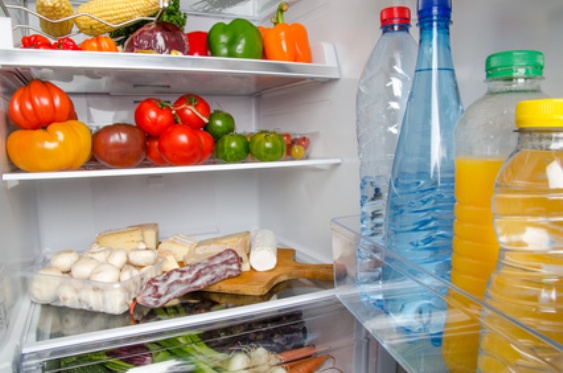
Foods You Should Never Refrigerate
Foods You Should Never Refrigerate

According to the US Department of Agriculture, there are two types of bacteria that cause problems. Pathogenic bacteria leads to food-borne illnesses, and spoilage bacteria changes the way foods look, smell, and taste. When food develops dangerous levels of pathogenic bacteria, it could look, smell, and taste normal while still being dangerous. But when spoilage occurs, something can taste gross but won’t necessarily make you sick. Confusing, right? Here’s a list of 31 items that will do just fine outside the fridge:

1. Potatoes: When too cold, starches found in potatoes turn to sugar, yielding an off flavor. Keep potatoes stored in a paper bag in a cool, dark cupboard or drawer. Same goes for sweet potatoes.
2. Honey: Your luscious honey will turn to crystallized gunk if it is stored in the fridge. Store it at room temperature and out of direct sunlight for happy honey.
3. Tomatoes: Tomatoes actually start losing their flavor and become quite mushy if left in the fridge. Leave on the counter and use when they have a slight give to the outside skin.
4. Apples: Apples, just like tomatoes, start to loose flavor and texture after spending time in the fridge. Leave them on the counter, and toss them in the fridge for 30 minutes prior to eating if you want a crisp bite.
5. Onions: The best place for onions is in a paper bag in a cool, dark cabinet or drawer. If stored in the fridge, they soften and impart an oniony scent on nearby foods.
6. Peanut butter: Peanut butter does just fine stored in a cool, dark cupboard.
7. Bread: You might be tempted to store bread in the fridge, but it actually dries out faster. Instead, store it in a cool cupboard or bread box for a fresh slice.
8. Bananas: Leave those bananas on the counter, and if they turn brown before you get to them, toss them in the freezer to make banana bread at a later date.
9. Most oils: Pretty much all oils are safe to store at room temperature. If the oil has a lower saturated-fat content, such as safflower or sunflower, it will benefit from being kept cool, so store it in a dark cabinet or the fridge door.
10. Avocados: Store avocados on the counter and any leftovers in the fridge. But they’ll lose flavor, so it’s a good idea to use a whole one when making the cut.
11. Peppers: Red, green, yellow, and even chili peppers are just fine stored in a paper bag in a cool cupboard or drawer.
12. Winter squash: Acorn, spaghetti, and butternut do best when stored at room temperature.
13. Citrus: Store oranges, lemons, and limes at room temperature on your kitchen counter. Just be careful not to bunch them too closely, or they will tend to mold.
14. Berries: Fresh berries already have a short shelf life, so leave them out of the fridge and eat them within a day or two of purchasing.
15. Melons: Most melons do best outside the fridge. Once refrigerated, they tend to break down and become mealy. After cutting, if any are remaining, store them in the fridge.
16. Ketchup: Yup, your ketchup is just fine in your pantry — even after it has been opened. Because of the amount of vinegar and preservatives, it will do just fine (think ketchup packets at your favorite fast-food restaurant).
17. Jam: Due to the high amount of preservatives in jams and jellies, they are also OK to store in the pantry after opening.
18. Stone fruits: Stone fruits aren’t friends of the fridge, so leave them on the counter until they’re ripe, and then eat.
19. Pickles: Another item high in preservatives, mainly vinegar, pickles will stay crisp in the pantry. But, if you’re a fan of cold ones, store them in the refrigerator door, which leaves the coldest spots of the fridge for items that really need the space.
20. Garlic: Store garlic in a paper bag in a cool, dark spot, and it holds its wonderful flavor for weeks.
21. Hot sauce: Make more room in your fridge, and store hot sauce in your pantry — even after it has been opened. All the preservatives and spices keep it safe for topping your eats.
22. Spices: Ground spices do not need to be refrigerated. Ever.
23. Coffee: Many think coffee deserves a special place in the fridge or freezer, but it actually is best at room temperature so its natural oils can really flavor your favorite cup of joe. Buy in small batches for really fragrant, and rich, morning coffee.
24. Soy sauce: Yes, there is more than enough natural preservatives (salt) in soy sauce for it to remain safe if stored at room temperature.
25. Some salad dressings: Just like other condiments, most salad dressing, especially ones that are vinegar- or oil-based, are just fine stored outside the fridge. Cream-, yogurt-, or mayo-based dressings should be stored in the fridge.
26. Nuts: Nuts are just fine stored in a cool, dark spot.
27. Dried fruits: No need to refrigerate. Nope.
28. Cereal: Cereal is wonderfully happy in the pantry.
29. Vacuum-packed tuna: You might not be sure, but that tuna has been sealed, just like in a can, so it’s more than fine stored at room temperature.
30. Herbs: If you pick up fresh herbs from the grocery store, instead of stuffing them back in the suffocating plastic bag, place them in a water-filled glass jar on your kitchen counter, creating an herb bouquet to use while cooking.
31. Real maple syrup: As with honey, that maple syrup will crystallize and get goopy if stored in the fridge.


Tuesday, December 8, 2015

Canola Oil is Better Than Olive Oil

It sits, cowering, on a back shelf, usually in a stout, hulking oil tanker of a container. Its bottle is plain, never prettily adorned with the flowering vines that olive oil gets. And unlike butter, it is never used to finish a steak, melting alluringly as the beef sizzles away. No, canola oil is the Peggy to olive oil’s Joan. The Louis C.K. to Paul Rudd’s butter.

In short, it gets no respect.

It’s a Cheap Way to Fry

When I'm frying, whether it's Andy Ricker's wings or Molly Wizenberg's wonderful French toast from her book A Homemade Life, I'm using canola.

Even Bobby Flay admits that “ninety-eight percent of the time, I cook with canola oil.” He loves that it has a higher smoke point (the temperature when the oil starts smoking and becomes more likely to give your food a scorched flavor) than, say, olive oil.

It’s Neutral

Sometimes you want an oil that doesn’t add a thing: Butter is buttery. Extra-virgin olive oil is fruity, green, or olive-y. Canola’s generally neutral taste is part of its charm.

It’s Relatively Good for You

Canola clocks in lowest for saturated fat out of 16 oils, at only 6 percent—as opposed to olive oil’s 14 percent, grapeseed’s 13 percent, and coconut oil’s daunting 89 percent—which is why you’ll sometimes see it flaunting a cute little heart icon at the grocery store.

It’s Not That Pricey

Because it doesn’t have the foxy reputation of olive oil or butter, canola is still relatively easy to snag on the cheap, which is great if you’re going to fry something in two full inches of oil.

It’s Not Always Packed With GMOs

As this blog post notes, canola oil “comes from a specifically bred variety of rapeseed, which is part of the mustard family along with kale, cabbage, and Brussels sprouts.” (In fact, it was called “rapeseed oil” until some wise Canadians changed its name.) So although some articles declaim canola oil as being packed with genetically modified organisms, organic canola shouldn’t have them, and one can buy verified non-GMO canola oil.

Wednesday, November 25, 2015

How long can you eat those leftovers?

How long can you eat those leftovers?

Deep in the recesses of most people's refrigerators lives a half-eaten bottle of salsa, some takeout Chinese food and last week's chicken dinner. Pulling one of those things out, you wonder: Can I eat it? Is it safe? A lot of commercially prepared items, such as sauces and condiments, have best-buy dates on the packaging to ensure flavor, not safety, according to the U.S. Department of Agriculture.

 Packaged foods tend to last a big longer than those suggested dates. Last night's dinner, though, is not as hearty. Cooked food leftovers can usually stay in the fridge for only three or four days. And if you want to put food in the freezer, it will last indefinitely, but at some point it will start to lose flavor. Of course, if something smells off or looks funny, you shouldn't eat it.
Here's the eat-it-or-chuck-it guide to your slightly suspect leftovers, based on advice from the Agriculture Department and the food safety site stilltasty.com.


Monday, November 16, 2015

Brining Tips for the Turkey Bird...


It's a classic Thanksgiving scene: A beautiful showpiece of a turkey graces the center of a Dwell-worthy tablescape, with its blistered golden skin glowing brightly like a first-place trophy. The sharpest of knives is drawn, the bird's aroma amping up the anticipation of that first bite. And, finally, when that bite happens . . . wait, what the #%!&? It's stringy, flavorless, dry, and not even gravy can save it.

Brine Basics
At the most basic level, brining refers to presalting protein before it gets cooked. Think pork shoulder, chicken legs and even fish. Salt loves water, and when it's sprinkled onto the skin of these proteins, it draws out the water and then fills that empty space with salty brine. While the salt is creeping inward, it is simultaneously breaking down the meat, tenderizing and allowing it to retain moisture. When the poultry is cooked, proteins coagulate and prevent the absorbed liquid from escaping, ensuring juicy and flavorful meat. This is never more necessary than with a Thanksgiving bird.

Team Wet Brine vs. Team Dry Brine
There are two schools of brining, wet (where meat is submerged in a salty liquid) and dry (where meat is given a nice salt rub). Both produce a great bird, but chefs will go to the mat for their team.

For a wet brine, dissolve salt in water, often with sugar, to create a well-seasoned liquid. Food science author Harold McGee suggests using a 5 percent salt solution (by weight) for an optimal job of tenderizing. That translates to roughly a scant three tablespoons of salt per one quart of water. Of course, this number slides up and down depending on how long the turkey sits in the brine. (Be warned: If a turkey sits in the brine for too long, it will turn into a salty and almost-mushy piece of meat.)

On the other end of the spectrum, dry brining also helps achieve juicy, flavorful meat and has the added bonus of not requiring a giant bucket to let your turkey brine away in. Chef Matt Lambert of The Musket Room in New York strongly supports dry brining his turkey, saying this method offers a more controlled flavor and ensures a better sear. He breaks the turkey down, then places the legs and breasts on a large tray lined with parchment paper and seasons the meat "reasonably heavy and lets it stand until the salt is completely dissolved, about one hour."

Flavor: What Aromatics Do Chefs Recommend?
Brining isn't just about keeping turkey moist; it's also a time to infuse the meat with flavor. George Mendes of Lupulo submerges his turkey in a brine made with warm spices, like cinnamon and star anise, before basting with a Spanish paprika marinade and roasting it.

More Turkey Brine Tips
Dry out wet-brined turkeys. After the turkey has soaked in the brine, rinse and let it dry. Thorough drying of the turkey ensures crispy, golden skin when the bird's roasted.

Be aware of cooking times. Brines are a curing method, and curing is a form of cooking. Brined turkeys cook faster than those that have not been brined.


Turkey Tips for the perfect bird


Roasting a turkey is easy. Roasting a juicy turkey with perfectly blistered golden brown skin? Not so easy. But it can be. Follow these five tips, and you'll be responsible for a flawless Thanksgiving turkey your guests will always remember.


Brine and Dry
You must brine your bird using either a wet or dry brine. Both produce a seasoned, juicy turkey, but in different ways.
  • A wet brine is a salt solution in which you submerge your turkey for four to 48 hours. As the turkey soaks, the salt draws out moisture and replaces that lost moisture with seasoned brine, adding flavor and tenderizing the meat.
  •  A dry brine refers to a salt cure that you slather onto the bird and then let sit overnight in the fridge and/or at room temperature for one hour before going into a hot oven. The salt works like the wet brine, but because there is no additional liquid, the bird's own juices yield a more pronounced meaty flavor and a crispier skin.
The Perfect Rack
DIY your rack instead of buying one, like George Mendes of Lupulo does for his Portuguese Roast Turkey. Layer the bottom of your roasting pan with carrots, onion, celery and bay leaf. As the vegetables cook, they release steam, helping keep the turkey juicy and preventing the bird from being overcooked. 

Tricks to Avoid Overcooking
Never put a frozen turkey, or even a refrigerated one, directly into a preheated oven. Let the turkey sit at room temperature for at least one hour to raise its internal temperature. This will ensure even cooking from skin to bone.
Always use a meat thermometer to take the temperature of the thickest part of the turkey, located around the thigh, avoiding the bone. The ideal final temperature for a juicy turkey is 165°. The meat will cook an additional 10° as it rests, so remove the turkey from the oven when the temperature reaches 155° to 160°.
Now, this is important: Breasts cook faster than the legs. Different tactics can be used to avoid overcooking the breasts. Food science writer Harold McGee puts ice packs onto the turkey breasts while letting the bird sit at room temperature before roasting. Mendes removes his turkey from the oven when the breasts reach 155°, lets it rest for 20 minutes and then carves off the breasts. Then he returns the turkey to the oven and continues to roast it until the legs reach a slightly higher temperature, around 160°.

Start Hot, Then Double Drop
Always start with a hot oven. To achieve perfectly blistered, golden brown skin, preheat the oven to 475°. After the turkey goes in, immediately reduce the oven temperature to 425° and cook for 20 minutes. Drop to 350° and continue to roast until done. Oh, and you'll need to invest in an oven thermometer to know the exact temperature of your bird as it cooks.

Give It a Rest
Resting a turkey is not optional. It's as necessary as any step in this process. Let the turkey rest for at least 20 minutes and up to one and a half hours after taking it out of the oven and before carving. This ensures maximum flavor and juiciness. Covering with foil isn't necessary and risks steaming the skin and overcooking the turkey, which, of course, is very bad.

Wednesday, November 4, 2015

Shrimp Etouffee base by Zatarain's

I normally don't make Shrimp Etouffee being its almost as time consuming as making gumbo. with that being said ... I was at Foodtown doing my grocery shopping and run across Zatarain's Etouffee Base which was on sale for 1.50$ a box. So i justified it by saying if it taste like crap you only spent a 1.50 an maybe 5$ for frozen popcorn shrimp. Into the basket it went.

Well much to my surprise it was very simple to make, you use 2.5 cups of water, 2 tablespoons butter and 2 table spoons tomato paste and mix in the base. instruction said to cook on simmer for 15 mins then add shrimp and cook another 15 mins, then serve over rice. On my stove simmer is more like trying to heat a pot of water w/ a box of matches, slow and unproductive. so i kicked up the heat "BAM" and 15 mins later added shrimp then another 15 for the shrimp to cook.

So into a bowl it went w/ rice and a dash of hot sauce

i have to say i was very very impressed, it was flavorful and had just the right amount of heat before i kicked it up a know w/ the hot sauce.

Score 1 for Zatarains


So next time you happen to pass the Zatarain's section in your grocery store pickup a box. i have seen it as low as 1.50$ a box to 3$ a box. Regardless of the cost its a keeper in my book.

Saturday, September 19, 2015

If Meat Changes Color, Has It Gone Bad?

What Causes Meat and Poultry to Change Color?

From red meat to poultry, here's why meat can change color and what it means.

Red Meat

Appearance no doubt plays a big part in what we think of as fresh, and in the case of red meat, you probably equate a bright-red color with freshness. This color is a result of the protein in meat called myoglobin, which turns into oxymyoglobin and produces a vivid red color when it comes into contact with oxygen.
Not all red meats are the same color, though — color is influenced by factors like diet, sex, exercise, species, and especially age, which can produce darker-colored meat.
Prolonged exposure to air and light will also darken meat that starts out bright red, as you've probably seen when pre-formed hamburger patties start to turn gray, but are still red or pink inside. Color changes can also occur if raw meat is frozen, where it can fade or darken in color.

Poultry

Raw poultry can sometimes have a bluish tone to the meat or bright-yellow skin, which might seem strange if you're used to pink iridescent meat and whiter skin. As with red meat, the color variations result from differences in diet, breed, exercise, and age. Poultry can also change in color when frozen.

So Is It Safe to Eat?

The good news is, even if there's a color change — which might not be as visually appetizing — the meat or poultry is still perfectly fine to eat if stored properly in the refrigerator or freezer and consumed within a safe period of time (up to two days for ground meat and five days for other cuts).
What you really want to watch out for even more so than color change, is meat or poultry that has a bad odor or is sticky, tacky, or slimy to the touch. Let your other senses be your guide in these instances.


5 Fast Fixes for Cooking Fails


  • I still cry whenever I slice onions


Chilling the onion for an hour in the refrigerator before chopping. The cold temperature slows the formation of the sulfur compounds that are released when the onion is cut. If you chop quickly enough while the onion is cold, you may not tear up at all


  • How can I save an oversalted dish


Serve it over an unsalted starch or grain, such as rice, potato puree, polenta, or quinoa. Accompany the food with a sweet, fizzy wine, like Prosecco or Champagne, or even sparkling water. Bubbles cleanse the palate of salt, which means every sip refreshes your taste buds.

  • I'm making guacamole, but the avocados are hard as rocks
Place avocados in a brown paper bag with a banana, then leave the bag on a sunny windowsill for 18 to 24 hours. Together, the banana and the avocados release a large amount of ethylene gas, which can hasten ripening. If you can't wait a day, try this trick from California avocado grower Carol Steed: Place 2 peeled, pitted avocados in a blender with 1 cup peas (fresh, or frozen and thawed); pulse until smooth. The peas will help soften the consistency of the unripe avocados but won't affect the flavor.

  • I accidentally made dinner too spicy
There are a few ways to tone down overly fiery food. Sara Moulton, a chef and the host of Sara's Weeknight Meals on PBS, says sugar is an unobtrusive antidote—especially for soups, chilies, and stews. Add it in ½-teaspoon increments, and taste after each round. You can also dilute spiciness by adding more of the main ingredient.If you're cooking meat, add some more meat." Another option: Plate the dish with a garnish of soothing dairy—like a dollop of cool ranch dressing alongside way-too-hot wings.
  • My pots have baked-on stains
To remove interior spots, put an inch of water and 2 drops of dish soap in each pot and bring to a boil. Let the liquid simmer on low heat for 5 minutes, then pour it out and scrape off loosened bits with a plastic spatula.

Wednesday, August 5, 2015

Is It Safe?

"Best by" and "sell by" dates are just a suggestion and a best guess. Don't throw away perfectly good foods because the label says so. The link below is a useful guide which can tell you what foods last forever and which ones you should err on the side of caution with. 


Still Tastie